5
min read
The Equity Problem with Complaint-Driven Code Enforcement
Complaint-driven code enforcement doesn't always reflect where problems exist, it reflects where they're reported. This article explores how proactive property condition data helps cities identify issues consistently, allocate resources more strategically, and provide equitable service across every neighborhood.

Colin Ambrosius
The Equity Problem with Complaint-Driven Code Enforcement
For decades, complaint-driven code enforcement has been the standard operating model for municipalities across the country.
When a resident notices an overgrown lot, illegal dumping, or a deteriorating property, they submit a complaint, code enforcement officers investigate, a case is opened, and action is taken. On the surface, the system seems fair. Anyone can report a concern, and cities respond accordingly.
But there's a growing recognition among code enforcement leaders that complaint-driven enforcement may not always reflect actual community conditions. Instead, it often reflects something else: who reports problems.
When enforcement resources are guided primarily by complaint volume, cities risk focusing attention on the neighborhoods that speak up the most, not necessarily the neighborhoods with the greatest need.
That's why more communities are beginning to supplement resident complaints with proactive, data-driven approaches that provide visibility across an entire jurisdiction.
The Limits of Complaint-Driven Enforcement
Resident complaints remain an important tool for local governments. They provide valuable information about emerging issues, help identify concerns that may not be visible from the public right-of-way, and encourage community engagement.
However, the challenge arises when complaints become the primary source of information about neighborhood conditions. Most code enforcement departments operate with limited staffing and resources. As complaint volumes increase, officers naturally spend more time responding to incoming requests and less time proactively surveying neighborhoods. Over time, this can create a visibility gap. Cities know where complaints are occurring, but they may not know where conditions are deteriorating.
As a result, enforcement activity can become concentrated in areas with high reporting rates while other neighborhoods receive less attention, not because conditions are better, but because fewer complaints are submitted.
Complaint Volume Does Not Equal Community Need
One of the most common assumptions in local government is that more complaints indicate more problems. In reality, complaint volume often reflects a variety of factors unrelated to property conditions.
Some neighborhoods have active homeowners' associations, neighborhood watch groups, or community organizations that encourage reporting. Others may have residents who are highly familiar with 311 systems and city services.
In other areas, residents may be unaware of reporting tools, face language barriers, have limited access to technology, or simply be less likely to engage with local government processes.
The result is that two neighborhoods with similar levels of blight can generate dramatically different complaint volumes. If cities rely exclusively on complaints to guide inspections and enforcement activities, those differences in reporting behavior can influence where resources are deployed. This creates an operational challenge for code enforcement leaders who are tasked with serving entire communities fairly and consistently.
The Visibility Gap
Imagine trying to manage a city's transportation network using only reports of potholes. You would know where people reported issues. You would not necessarily know where all the issues existed.
The same principle applies to code enforcement.
Complaint systems reveal where residents are speaking up. They do not provide a complete inventory of neighborhood conditions.
Without systematic data collection, cities often lack an objective understanding of:
Where violations are concentrated
Which neighborhoods are experiencing deterioration
How conditions are changing over time
Where intervention could have the greatest impact
This makes it difficult to allocate resources strategically. It also makes it difficult to answer important questions from elected officials, residents, and community stakeholders about whether services are being delivered equitably across the city.
What Happens When Cities Look Everywhere?
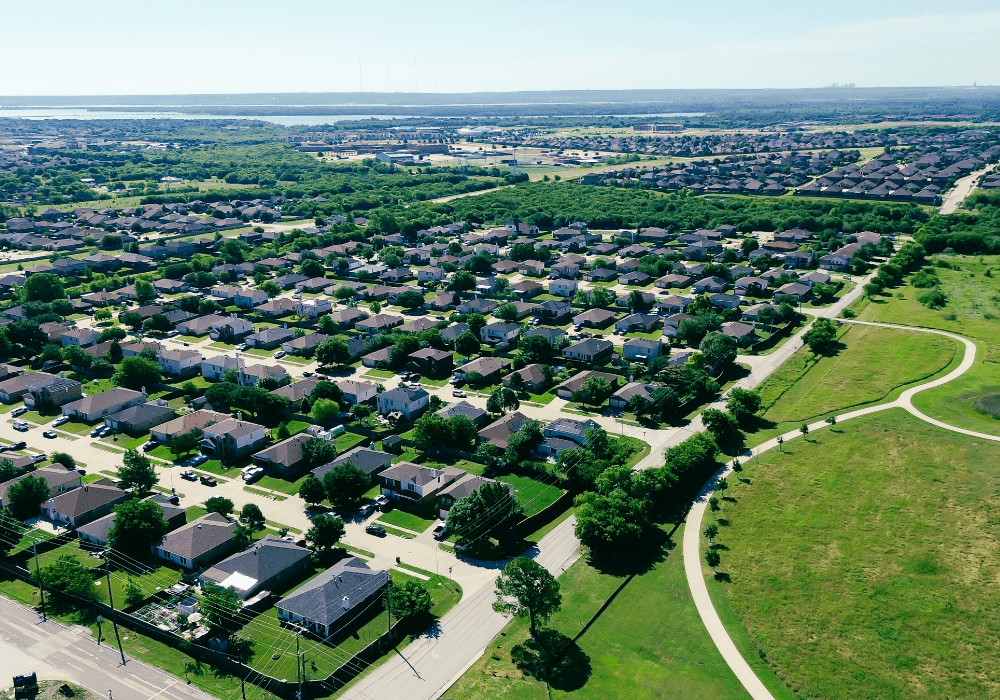
Proactive property condition assessments provide a different perspective. Instead of relying solely on incoming complaints, cities can gather information across all neighborhoods using a consistent methodology and standardized criteria.
The results are often eye-opening.
In Stockton, California, City Detect analyzed 39,740 parcels and identified 13,852 unique issues throughout the city. The analysis found that 23% of surveyed parcels contained at least one detectable issue. These findings helped city leaders gain a broader understanding of community conditions and prioritize outreach efforts through the city's Revitalizing and Improving Stockton through Education (RISE) program.
Read more: Stockton Case Study: Empowering Proactive Code Enforcement Through AI and Education
The key takeaway is not the number of violations discovered, it's the fact that city leaders gained visibility into conditions across the entire community rather than only the areas generating complaints.
Equity Through Visibility
When municipalities have access to citywide data, they can make decisions based on observed conditions rather than reporting patterns, creating several important benefits.
Every Neighborhood Receives Equal Coverage
A proactive survey conducted using computer vision evaluates every neighborhood using the same inspection criteria. Rather than relying on where residents submit complaints, the system applies the same detection standards across the entire community. For example, observable conditions such as illegal dumping, overgrown vegetation, or accumulated debris are identified using the same criteria regardless of where they occur.
No neighborhood receives more attention simply because it generates more complaints.
No neighborhood receives less attention because residents are less likely to report issues.
Resources Can Be Prioritized More Strategically
With a complete picture of community conditions, departments can focus on:
Areas experiencing concentrated blight
Public health and safety concerns
Repeat violations
Emerging neighborhood trends
Instead of reacting to the next complaint in the queue, staff can address issues where intervention is likely to have the greatest impact.
Communities Benefit from Earlier Intervention
Many code enforcement challenges become more expensive and difficult to address over time.
Identifying issues early allows cities to engage property owners before conditions worsen, often leading to faster resolution and greater voluntary compliance.
Stockton's RISE program achieved an 80% compliance rate through an education-first approach that combined proactive detection with resident outreach and support services.
Data Doesn't Replace Residents
It's important to emphasize that proactive enforcement is not about replacing resident complaints. Residents remain one of the most valuable sources of information available to local governments. They often identify issues that are difficult to detect through visual surveys alone, including interior property concerns, illegal activity, and quality-of-life issues that require community context.
The goal is not to eliminate complaint systems. The goal is to ensure complaints are not the only source of information guiding enforcement decisions.
The most effective code enforcement programs combine resident input with objective, citywide data. Together, they create a more complete picture of community conditions and help departments allocate resources more effectively.
Building a More Equitable Enforcement Strategy
For communities interested in improving equity and consistency in code enforcement, the first step is understanding what information is currently driving decision-making.
Ask questions such as:
Where are complaints originating?
Which neighborhoods receive the most enforcement activity?
Are there areas that rarely generate complaints?
Do complaint patterns align with actual property conditions?
From there, cities can begin incorporating proactive assessments, community condition surveys, and property data into their enforcement strategies. The result is a more informed approach, one that balances resident concerns with objective visibility across the entire community.
You Can't Improve What You Can't See
Complaint-driven enforcement will always play an important role in municipal operations, but complaints alone cannot provide a complete picture of neighborhood conditions.
Cities committed to equitable service delivery need visibility beyond the complaint queue.
By combining resident feedback with comprehensive property condition data, local governments can ensure resources are allocated based on actual need, interventions occur earlier, and every neighborhood receives the same opportunity to thrive.
Ready to See Beyond the Complaint Queue?
City Detect helps municipalities gain citywide visibility into property conditions, identify emerging issues earlier, and support more equitable code enforcement strategies.
Contact City Detect to learn how AI-powered property condition assessments can help your community move from complaint-driven enforcement to data-informed decision making.